


Upgrading K-12 School Networks for the Modern Classroom

Across the country, K-12 school systems need to modernize their networks, which can no longer keep pace with learning technologies vital to student success in today’s digital world. This transition isn’t easy; districts must navigate inadequate infrastructure funding, IT staffing shortages, growing se
Read More

Avoiding Fiber Bend Radius Damage: 5 Tips for Long-Lasting Performance

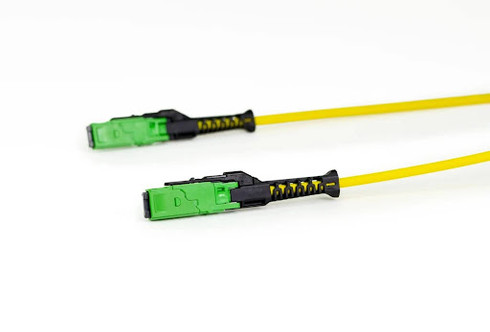
Despite being engineered from glass, fiber optic cabling is surprisingly durable. However, bending a fiber cable tighter than its minimum bend radius creates a risk of severe signal loss and micro-cracks that can trigger link failures and cause costly downtime. While the impact is not always immediately apparent,
Read More

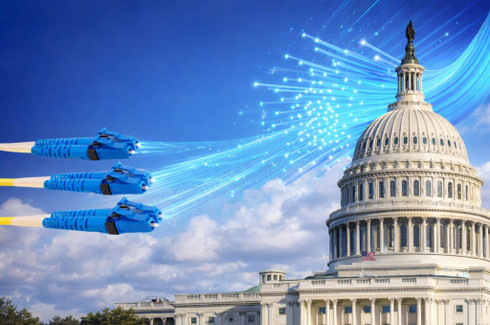
Future-Proofing the Frontline: Why Fiber is the Better Option to Meet Federal IT Standards

For decades, fiber optic cabling has been the gold standard for top-secret government networks. Its immunity to electromagnetic emissions makes it virtually impossible to tap, offering a level of inherent physical security that traditional copper cabling simply cannot match. Fiber is also a preferred medium for
Read More

Ultra-Low Loss Fiber Connectivity: Why It Matters in Modern Data Centers

Insertion loss (also referred to as attenuation) is the amount of energy that a signal loses as it travels along a link. It is the primary parameter determining a fiber link's ability to support specific applications. Industry standards specify maximum loss and length for fiber links; exceeding these requirement
Read More
Your cart is empty