
High-Bandwidth Point-to-Point Cables: Understanding DACs, ACCs, AECs, and AOCs

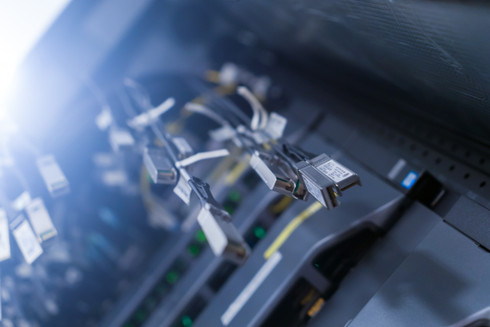
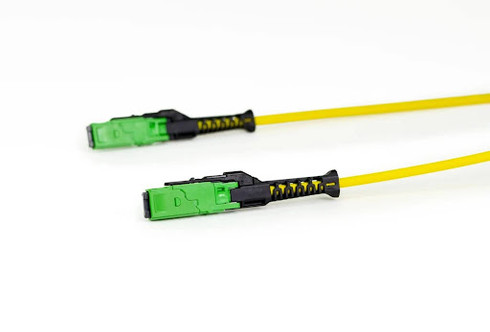
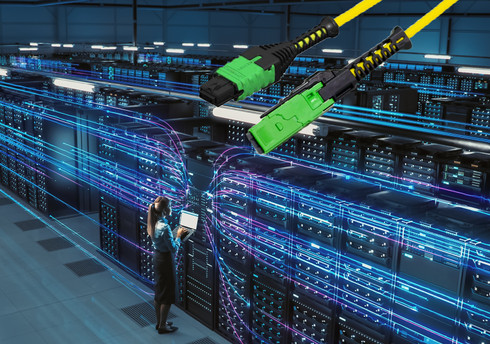
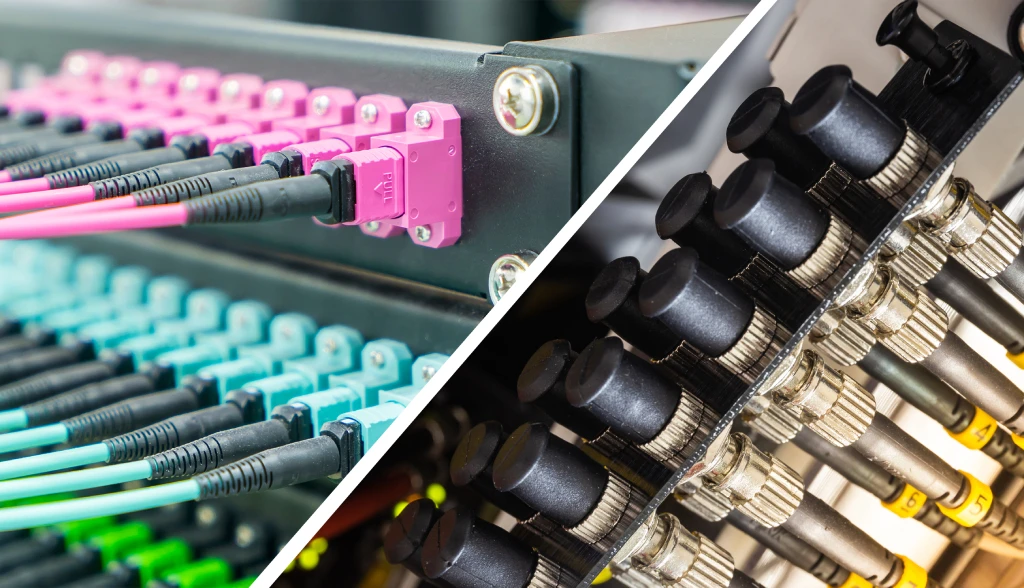
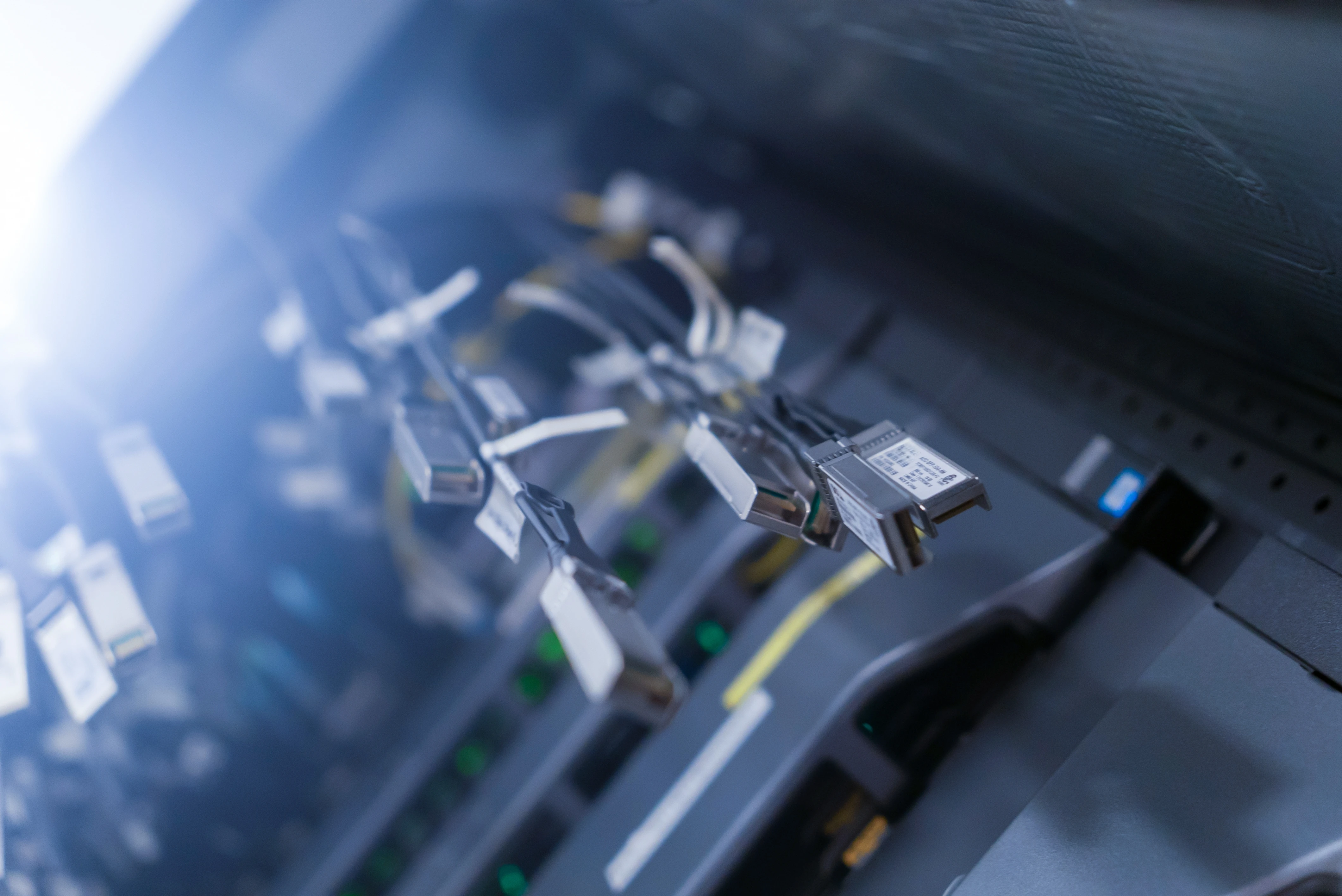
Interconnects between switches, servers, and storage in the data center boil down to two key choices: traditional structured cabling with discrete transceivers or direct point-to-point cables with embedded transceivers.  While structured cabling excels for longer reaches and maximizing manageability and flex
Read More

Avoiding Fiber Bend Radius Damage: 5 Tips for Long-Lasting Performance

Despite being engineered from glass, fiber optic cabling is surprisingly durable. However, bending a fiber cable tighter than its minimum bend radius creates a risk of severe signal loss and micro-cracks that can trigger link failures and cause costly downtime. While the impact is not always immediately apparent,
Read More

Ultra-Low Loss Fiber Connectivity: Why It Matters in Modern Data Centers

Insertion loss (also referred to as attenuation) is the amount of energy that a signal loses as it travels along a link. It is the primary parameter determining a fiber link's ability to support specific applications. Industry standards specify maximum loss and length for fiber links; exceeding these requirement
Read More

Data Center Trends for 2026 and Beyond: Entering an Era of New Knowledge

Driven by the relentless demand for compute-intensive AI workloads and massive cloud computing deployments that rely on next-generation 800G and 1.6T speeds, data center capacity is projected to triple by 2029. This transition is pushing rack power densities beyond 80 kW and requiring up to ten times more fiber.
Read More
Your cart is empty