
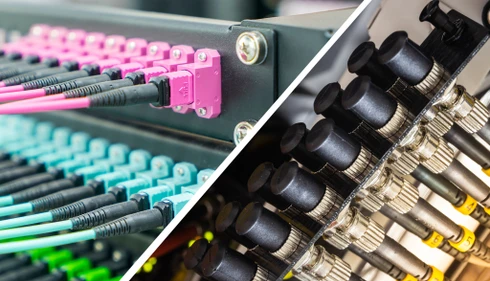
Solving Fiber Network Problems

Every network today includes fiber optic cable and connectivity—whether it’s an all-fiber outside plant (OSP) infrastructure, thousands of fiber links between equipment in the data center, or the fiber backbone in a LAN. While fiber provides greater reach and bandwidth than copper, you may be surprise
Read More

Network Transceiver Basics: From 1 to 800 Gig and Beyond

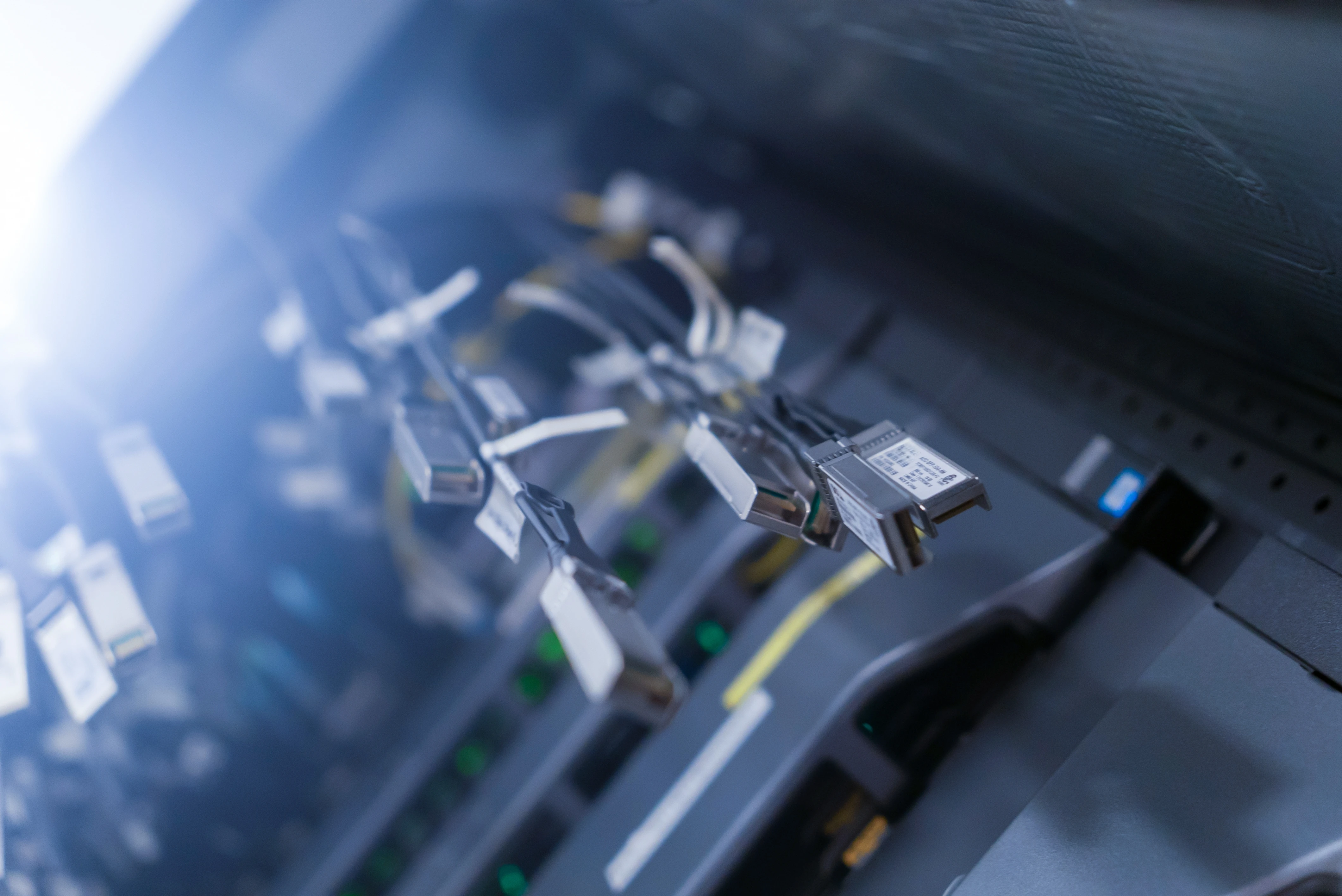
In networking, transceivers are critical components that include a transmitter and receiver for data transmission. While they can be embedded in direct-attach copper (DAC) and active optical cable (AOC) assemblies, hot-pluggable transceivers offer several advantages. Hot-pluggable transceivers are used in active
Read More

A Guide to Fiber End Face Shape and Polish

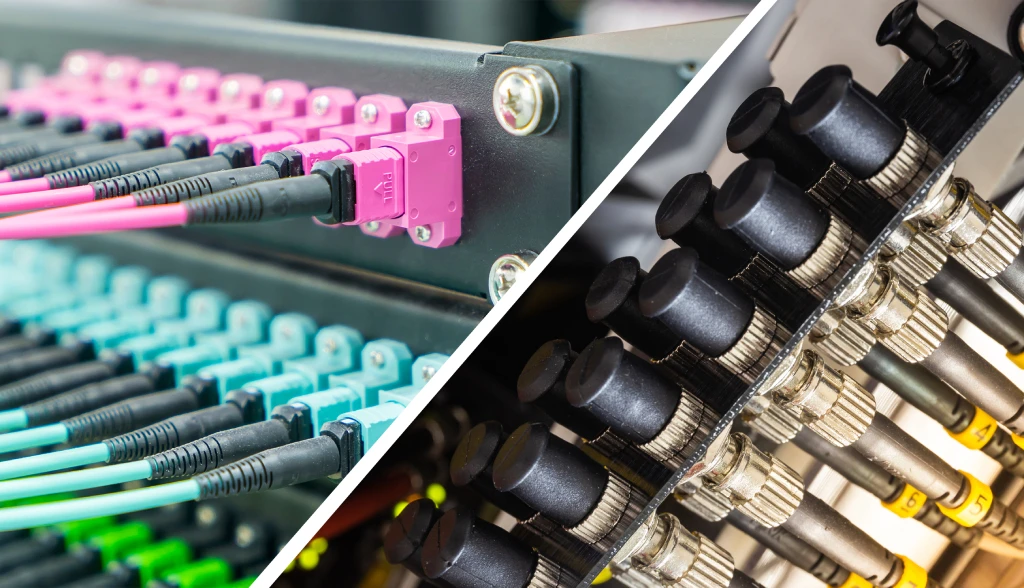
The overall shape and polish of a fiber end face dictate how light signals pass through a connector, directly impacting insertion loss and reflectance. Selecting the right connectivity requires a clear understanding of fiber end-face types and their compatibility—factors essential to maintaining network per
Read More

Upgrading K-12 School Networks for the Modern Classroom

Across the country, K-12 school systems need to modernize their networks, which can no longer keep pace with learning technologies vital to student success in today’s digital world. This transition isn’t easy; districts must navigate inadequate infrastructure funding, IT staffing shortages, growing se
Read More
Your cart is empty